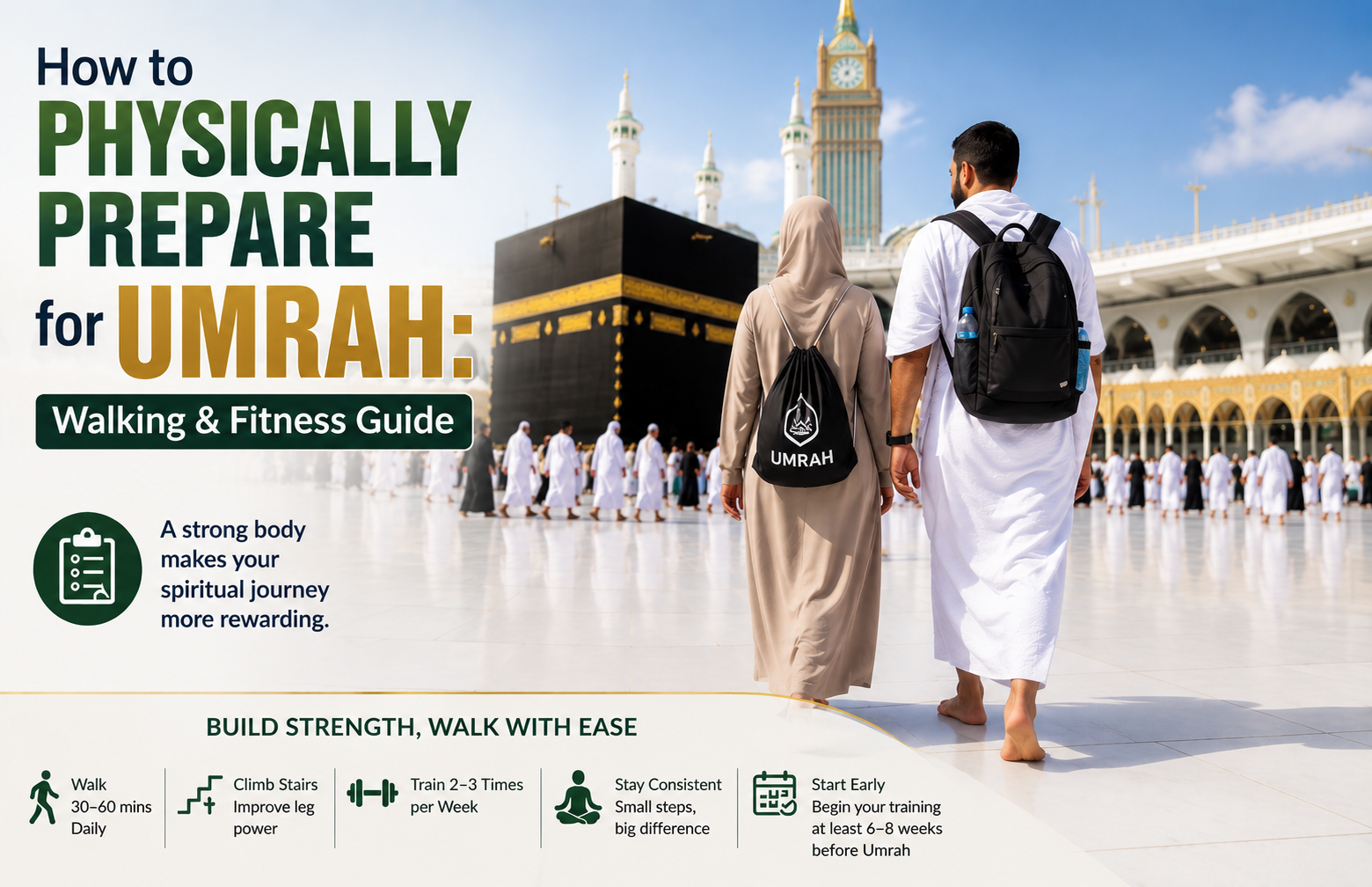

Yes, you can perform Umrah on behalf of someone else, a practice known as “Umrah Badal,” which is recognised in Islamic teachings when done with the correct intention and conditions. This act allows a Muslim to carry out the rituals of Umrah in Makkah, including Tawaf around the Kaaba and Sa’i between Safa and Marwa, while dedicating the spiritual reward to another person.
Umrah Badal is often performed for deceased loved ones, elderly parents, or those who are physically unable to travel. While the physical steps remain the same, the purpose shifts from personal worship to a representative act of ibadah. This makes it both a responsibility and a deeply meaningful way to support others spiritually and adhere to Islamic guidelines.
What is Performing Umrah on Behalf of Someone?
Performing Umrah on behalf of another person is known as Umrah Badal. It means that you carry out the rituals of Umrah with the intention (niyyah) that the reward is for someone else.
This is usually done for:
- A deceased relative
- An elderly parent
- Someone who is physically unable to travel
The intention is key. You are physically present in Makkah, performing Tawaf and Sa’i, but spiritually, the reward is gifted to the person you are representing.
Is Umrah Badal Allowed in Islam?
Yes, Umrah on behalf of someone else is permissible in Islam, based on authentic teachings.
There are narrations where companions asked the Prophet Muhammad (peace be upon him) about performing Hajj for parents who could not travel, and he allowed it. Scholars have extended this ruling to Umrah as well.
However, it is not something to be taken lightly. It comes with specific conditions to ensure the ibadah is valid and accepted.
Who Can You Perform Umrah For?
You can perform Umrah on behalf of the following:
1. Deceased Individuals
If a person has passed away without performing Umrah, you may perform it for them. This is considered a beautiful act of sadaqah jariyah (ongoing charity).
2. Elderly or Ill Individuals
If someone is alive but physically unable to travel due to illness, disability, or extreme old age, you may perform Umrah on their behalf.
3. Those Who Cannot Afford It
Scholars differ slightly here, but generally, if someone is financially unable, it is better to help them go themselves rather than perform Umrah on their behalf.
What are the Conditions for Performing Umrah on Someone Else’s Behalf?
Before performing Umrah Badal, certain conditions must be met:
- You must have already performed your own Umrah. This is essential. You cannot represent someone else until you have fulfilled this obligation for yourself.
- The person you are performing for must either be deceased or genuinely unable to perform Umrah themselves.
- You must have a clear intention (niyyah) before starting the rituals. This intention is made in your heart at the time of entering the Ihram.
These conditions ensure that the act remains sincere and aligned with Islamic teachings.
How to Make Intention (Niyyah) for Umrah Badal?
The intention is simple but important. When entering Ihram, you should make the intention that this Umrah is for the person you are representing.
For example, you can say:
“Labbaik Allahumma Umrah on behalf of [name of the person].”
What is the Step-by-Step Process of Performing Umrah on Someone Else’s Behalf?
The process of Umrah Badal is like your own Umrah. The only difference is the intention. You begin by entering Ihram from the designated Miqat, making your intention for the other person. Then you proceed to Makkah. You perform Tawaf around the Kaaba, complete Sa’i between Safa and Marwa, and finally trim or shave your hair to exit Ihram.
Throughout the process, you can also make extra duas for the person you are representing. This adds a deeper spiritual connection to your journey.
Can You Perform Multiple Umrahs for Different People?
Yes, you can perform multiple Umrahs during one trip, each with a different intention for a different person. However, each Umrah must be performed separately, with a new Ihram and intention each time. It’s important not to rush through them. Each Umrah should be performed with focus, humility, and proper understanding.
What are the Common Mistakes to Avoid When Performing Umrah on Behalf of Someone?
Many people, especially first-time pilgrims, make small errors when performing Umrah on behalf of others.
- One common mistake is not performing your own Umrah first. This invalidates the intention of Umrah Badal.
- Another mistake is unclear intention. Simply “thinking about it later is not enough, as you must make the intention at the start.
- Some also rush through the rituals when doing multiple Umrahs. This reduces the spiritual value of the act.
What are the Spiritual Rewards of Umrah Badal?
Performing Umrah for someone else is a deeply rewarding act. You not only receive the reward of performing Umrah yourself, but you also earn a reward for helping another person fulfil a spiritual duty.
For deceased loved ones, it is a meaningful way to continue benefiting them even after they have passed. For parents, it is an act of love, gratitude, and service that holds immense value in Islam.
Differences Between Umrah for Oneself and on Behalf of Others
The differences between Umrah for oneself and on behalf of others centre on intention, responsibility, and spiritual focus rather than the physical rituals. The core acts remain unchanged, but the purpose behind them shifts.
Ritual Process Remains the Same
Ritual process remains the same because every pilgrim performs Ihram, Tawaf around the Kaaba, Sa’i between Safa and Marwa, and the final hair trimming or shaving. These steps do not change based on who the Umrah is for. The structure of worship stays consistent across all cases. This uniformity keeps the practice clear and standardised.
Intention (Niyyah) Defines the Difference
Intention defines the difference by determining who receives the spiritual reward of the Umrah. When performed for oneself, the focus stays on personal forgiveness and spiritual growth. When done for another person, the intention shifts toward dedicating the reward to them. This internal change is what distinguishes the two forms in practice.
Personal vs Representative Role
Personal vs representative role highlights the shift in mindset during the journey. Performing Umrah for oneself is a direct, personal act of worship. In contrast, performing it for someone else places you in a representative role, where you carry out the rituals on their behalf. This adds a layer of responsibility beyond personal devotion.
Shared Spiritual Reward
Shared spiritual reward reflects the belief that helping others in worship also brings benefit to the one performing it. While the intention is directed toward another person, the performer is still rewarded for sincerity and effort. This creates a dual benefit rather than a loss of personal gain. However, the exact reward remains subject to divine acceptance.
Greater Responsibility in Performance
Greater responsibility in performance comes from acting on behalf of someone else who relies on your actions. This requires careful adherence to all Umrah rules and steps. Mistakes or negligence may affect the intended purpose. Because of this, the act should be approached with awareness and sincerity.
Can Women Perform Umrah on Behalf of Men and Vice Versa?
Yes, as the gender does not affect validity because Islamic teachings allow both men and women to perform Umrah for each other. The acceptance of the act is not tied to the performer’s gender. What matters is correct execution and intention. This removes unnecessary restrictions.
What is a Special Connection of Umrah Badal for UK Muslims?
Many Muslims in the UK have parents or grandparents who may not be able to travel due to health, age, or financial limitations. In such cases, families often seek guidance and support through services like alkareem travel to help organise arrangements and ensure the process is handled correctly.
Umrah Badal becomes a powerful way to include them in your journey. When you stand in front of the Kaaba, making dua on their behalf, it creates a connection that words cannot fully describe.
Final Thoughts
Yes, you can perform Umrah on behalf of someone else, but it must be done with knowledge, sincerity, and the right intention. As you walk through Makkah, remember who you are representing. Make dua sincerely, perform each step with care, and trust that Allah will accept it.